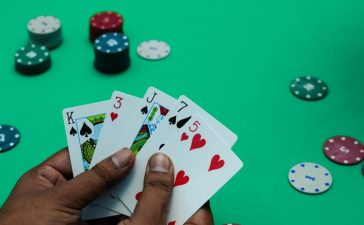

In the game of Texas Holdem, novice players tend to focus almost entirely on the raw strength of their two hole cards. They celebrate when they look down at pocket pairs or high suited connectors, and they fold when dealt weak, uncoordinated numbers. While card strength is an undeniable component of winning poker, it is completely secondary to a far more powerful element: position.
Position refers to where you sit at the poker table relative to the dealer button, which dictates the order of action in every betting round. In professional poker circles, positional leverage is universally recognized as the single greatest predictor of long-term profitability. Understanding how to harness this tactical concept transforms a reactive player into a dominant strategist who can control pot sizes, gather vital information, and win chips without ever showing down a winning hand.
Mapping the Anatomy of a Poker Table
To weaponize position, you must first master the structural zones of a standard nine-handed or ten-handed poker table. The seats are divided into four distinct categories, each carrying its own level of risk and strategic flexibility.
The Blinds: The Dead Zones
The Small Blind and Big Blind are the most disadvantageous seats at the table. Although the Big Blind acts last during the preflop betting round, both blind positions are forced to act first on the flop, turn, and river. This means for the remainder of the hand, you are trapped operating with zero information. Furthermore, because you are forced to post money before seeing your cards, the blinds are statistically the biggest money losing positions for every player over a long timeline.
Early Position: The Danger Zone
Commonly referred to as Under the Gun and Under the Gun Plus One, early position players are the first to act preflop. When you sit in these seats, you have almost the entire table waiting behind you.
-
The Threat of Domination: If you raise from early position with a marginal hand like King-Jack suited, you risk running into a premium hand held by one of the seven players left to act.
-
The Postflop Penalty: If you get called, you will likely have to play the rest of the hand out of position, forcing you to guess your opponent strength.
Middle Position: The Transition Zone
The middle position seats act as a bridge between the danger zones and the power seats. While safer than early position, you still face the threat of players sitting behind you on the late position seats. Hands played from middle position require cautious selectivity.
Late Position: The Power Seats
Consisting of the Cutoff and the Button, late position is where fortunes are built. The Button is the absolute premier seat at the table. On the flop, turn, and river, the player on the Button always acts last. This structural advantage gives you total control over the flow of execution.
The Psychological and Information Advantage of Acting Last
The core reason that acting last is so powerful comes down to information asymmetry. In poker, information is the primary currency.
Forcing Your Opponents to Reveal Strategic Intent
When you are in position, your opponents must act before you. Every check, bet, or raise they execute provides a structural clue about the strength of their cards.
If an early position player checks on a flop that features an ace, they are implicitly signaling weakness or a desire to control the pot size. Because you get to witness this decision before making your own, you can craft a precise counter-strategy. You can choose to bet to steal the pot, check behind to take a free card, or raise to extract maximum value. Acting first forces you to build a bridge in the dark; acting last allows you to see the bridge before stepping onto it.
Minimizing Mistakes and Maximizing Value
When you hold a marginal hand out of position, you are prone to making costly errors. If you bet, you risk getting raised. If you check, you give your opponent the chance to bluff you off the hand.
When you are in position, those anxieties disappear. If your opponent checks a weak hand, you can bet a modest amount to win the pot immediately. If you have a powerful draw and your opponent checks, you can check behind to see the next card for free, completely mitigating the financial risk of building a missed draw.
Range Expansion and Positional Stealing
Because late position shields you from future tactical threats, you can legally play a much wider variety of starting cards than you could from early position. This concept is known as range expansion.
-
Early Position Ranges: Extremely tight and conservative, consisting mainly of pocket pairs tens or higher, Ace-King, Ace-Queen, and premium suited connectors.
-
Late Position Ranges: Highly expansive, including lower pocket pairs, suited gappers, marginal face cards, and weak aces.
Executing Preflop Steals
When the action folds around to you in the Cutoff or on the Button, only the blinds remain in the hand. Because the blinds are structurally forced to play out of position postflop, they will fold the vast majority of their cards to a preflop raise.
This environment allows you to raise with completely uncoordinated cards simply because your positional advantage makes it unprofitable for the blinds to defend. Even if the Big Blind calls your raise, you will act last on the flop, allowing you to win the pot with a standard continuation bet on almost any board texture.
Controlling the Size of the Pot
Position acts as a financial valve that allows you to dictate exactly how many chips enter the center of the table. This control is essential for managing risk and protecting your stack.
Keeping the Pot Small with Medium-Strength Hands
Imagine you hold a hand like top pair with a weak kicker. This is a classic showdown hand, meaning it is strong enough to win at the end, but not strong enough to bet heavily across three street rounds.
If you are out of position, your opponent can put immense pressure on you by betting large sizes on the turn and river. If you are in position and your opponent checks to you on the turn, you can simply check behind. This action freezes the pot size, prevents a potential check-raise, and guarantees that you can see the river card safely without escalating the economic stakes.
Inflating the Pot with Premium Holdings
Conversely, when you hold a monster hand like a set or a full house, being in position ensures you can extract maximum value. You can accurately size your bets based on how your opponent acted, forcing them to pay a premium to chase their draws or defend their secondary pairs.
Frequently Asked Questions
Why is playing out of position considered so unprofitable over the long term?
Playing out of position is financially draining because it strips away your ability to bluff effectively and forces you to play defensively. You are continuously required to make decisions without knowing what your opponent plans to do. This structural blind spot causes players to overpay to see cards when they are losing and miss out on value bets when they have the winning hand.
How does table image affect my ability to abuse positional advantage?
Your table image is the psychological perception your opponents have of your playing style. If you have a tight image, your late position raises will be respected, allowing you to steal pots easily. If you have a loose, wild image, opponents in the blinds will start fighting back by re-raising you preflop, which limits your ability to expand your starting card range from the Button.
What is the difference between relative position and absolute position?
Absolute position refers to your physical seat location relative to the dealer button. Relative position refers to where you act in relation to the preflop raiser during a postflop round. For example, if you sit in middle position and an early position player bets, you have relative position on that player because you act after them, allowing you to see their action before making your move.
Should I ever flat call a raise from the Small Blind position?
Flat calling a raise from the Small Blind is generally discouraged by professional players. By calling, you guarantee that you will play the entire hand out of position against the original raiser. Furthermore, it invites the Big Blind to enter the pot with lucrative odds. It is usually much more profitable to either re-raise to take control of the hand or fold immediately to preserve capital.
How do shallow stack sizes affect the power of positional advantage?
As tournament stack sizes get shallow, meaning players have fewer big blinds in their stacks, the power of positional advantage decreases. When stacks are small, the game transitions into a preflop mathematical calculation of shoving or folding. There is little to no postflop betting, which minimizes the opportunity to use information tracking and leverage to outplay opponents.
Can you explain how to handle a player who consistently re-raises your Button raises?
If a player in the blinds is continuously attacking your late position raises, you must adjust by tightening your opening range. Remove the weakest cards from your strategy and replace them with hands that fare well against a re-raise. Additionally, you can utilize the four-bet bluff, re-raising them back preflop to force them to respect your opening boundaries.