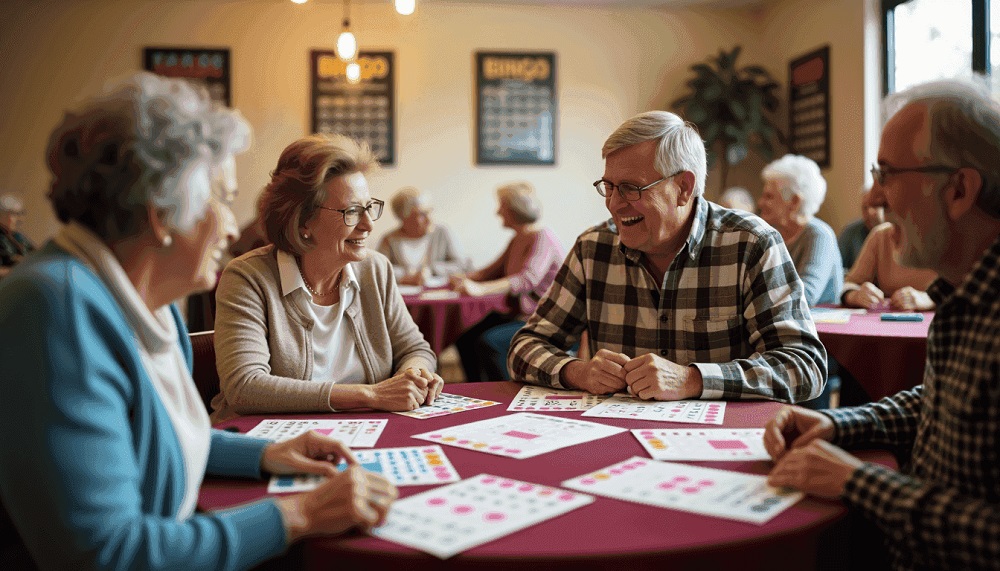
When people think of activities that promote health and longevity in older adults, they often picture physical exercises like water aerobics, yoga, or daily walking routines. While physical movement is undoubtedly vital, cognitive and social engagement are equally crucial pillars of healthy aging. One activity that seamlessly bridges these needs is bingo.
Long dismissed by some as a simple, passive pastime to fill the afternoon hours in senior centers, bingo is actually a dynamic mental workout disguised as a game. Gerontologists and cognitive scientists have increasingly recognized that regular participation in bingo offers a wide array of surprising health benefits. From sharpening cognitive processing speeds to combating the systemic risks of isolation, this classic game plays an important role in enhancing the quality of life for aging populations.
Cognitive Stimulation and Mental Agility
As the brain ages, certain cognitive functions can naturally begin to slow down. Maintaining mental agility requires regular, active use of cognitive pathways, a concept often referred to as cognitive reserve. Bingo provides a multi-faceted neurological challenge that keeps these systems highly active.
Enhancing Processing Speed and Divided Attention
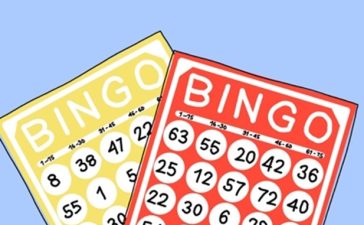
Playing bingo is far from a passive experience. It requires a high degree of processing speed, which is the time it takes an individual to understand and react to information. When a number is called, the player must hear the auditory cue, translate that number into a visual search pattern, scan multiple cards across columns and rows, and mark the correct square before the next number is announced.
This sequence exercises divided attention, the ability to focus on multiple tasks or streams of information simultaneously. Research indicates that older adults who play bingo regularly often demonstrate faster cognitive processing speeds and better environmental scanning capabilities than non-players, helping them maintain the mental sharpness required for independent living.
Boosting Short-Term Memory and Pattern Recognition
Memory retention is another area where bingo delivers unexpected diagnostic benefits. Players must hold the called number in their short-term memory while visually searching their cards. Furthermore, the game relies heavily on pattern recognition.
Whether aiming for a traditional straight line, a postage stamp pattern, or a full blackout, the brain must continuously assess the layout of the card to determine how close it is to a winning configuration. This continuous cycle of memory retrieval and visual evaluation acts as a workout for the temporal and parietal lobes of the brain.
Psychological Well-Being and Emotional Health
Physical health is deeply intertwined with emotional stability and mental well-being. The structured yet exciting nature of bingo provides several psychological mechanisms that help reduce stress and foster a positive emotional outlook.
Healthy Stress Management and Dopamine Release
The anticipation built into every game of bingo serves as a safe and healthy source of excitement. As a player waits for that final number to complete a sequence, the brain experiences a natural surge of dopamine, a neurotransmitter associated with pleasure, motivation, and reward.
This mild, positive excitement helps break the monotony of daily routines and provides a natural counterbalance to chronic stress or anxiety. The focused nature of the game also acts as a form of mindfulness, requiring players to immerse themselves fully in the present moment and granting a temporary reprieve from personal worries or health-related anxieties.
Sense of Accomplishment and Purpose
Having structured activities on the calendar gives older individuals a sense of routine and anticipation. Winning a game, or even coming close, provides an immediate sense of validation and accomplishment.
Even when prizes are purely symbolic, the structured competitive element provides a low-stakes environment where individuals can experience success and celebration. This helps preserve self-esteem and maintains a goal-oriented mindset, which is critical for long-term emotional resilience.
Combating Social Isolation and Loneliness
According to major health organizations, chronic loneliness and social isolation in older adults carry health risks comparable to smoking, obesity, and physical inactivity. As individuals retire, lose peers, or experience decreased mobility, their social networks often shrink. Bingo functions as an exceptional tool for community integration.
Fostering Community and Belonging
A bingo hall or senior center game room is fundamentally a social space. It provides a shared objective that naturally breaks down barriers between strangers. Before the game begins, during intermissions, and after the final numbers are called, players engage in casual conversation, share stories, and build relationships.
This regular interaction helps individuals feel like part of a cohesive community. Knowing that peers are expecting them at the weekly game creates a powerful sense of belonging and accountability that encourages seniors to leave their homes and stay socially active.
Intergenerational Connection
Bingo is a universal game with rules that span generations. This simplicity makes it an ideal medium for intergenerational programming, where community youth or family members join older adults for shared sessions. These interactions help dismantle ageist stereotypes, provide younger participants with valuable perspective, and offer older adults the unique joy of mentoring and laughing alongside younger generations.
Physical Benefits: Reflexes and Coordination
While bingo is played while seated, it is incorrect to assume it offers zero physical benefits. The mechanics of playing require localized physical adjustments that support fine motor skills and tactile health.
-
Hand-Eye Coordination: The rapid movement required to spot a number on a card and accurately press a ink stamper onto the small square exercises the visual-motor loop.
-
Fine Motor Dexterity: Manipulating small chips, sliding shutters on shutter cards, or precisely handling ink daubers keeps the joints in the fingers, hands, and wrists flexible. This regular movement helps combat stiffness associated with osteoarthritis.
-
Postural Control: Sustaining an upright, attentive seated posture for an hour or two while actively leaning forward to inspect cards engages the core muscles and helps maintain upper-body stability.
Frequently Asked Questions
Can playing bingo online provide the same health benefits as playing in person?
Online bingo offers similar cognitive benefits, such as training processing speed, memory, and visual scanning. However, it significantly reduces the physical hand-eye coordination required by traditional ink markers and limits real-world, face-to-face socialization. While online platforms often feature chat rooms, they cannot fully replicate the systemic health benefits of physically leaving the house and interacting within a physical community space.
Is bingo an effective tool for individuals already diagnosed with dementia?
Yes, modified bingo can be highly therapeutic for individuals with mild to moderate dementia or Alzheimer disease. Using cards with larger print, fewer squares, or substituting numbers with familiar shapes, colors, or historical images allows these individuals to participate successfully. It provides a sense of familiar routine, reduces agitation, and stimulates retained cognitive pathways without causing overwhelming frustration.
How does the competitive nature of bingo affect blood pressure in older adults?
For the vast majority of participants, the competitive nature of bingo is low-stakes and playful, which promotes relaxation rather than distress. While a momentary surge of excitement can cause a minor, healthy fluctuation in heart rate, the overarching social support and laughter found in game settings generally contribute to lower overall cortisol production and stable resting blood pressure.
How often should an older adult play bingo to notice cognitive benefits?
There is no strict medical prescription, but participating in structured cognitive and social activities like bingo one to two times per week is generally sufficient to maintain engagement. Consistency and enjoyment matter far more than total hours spent, as the goal is to integrate the game into a diverse lifestyle that also includes physical movement and proper nutrition.
Are there specific card designs that are better for seniors with vision impairment?
Yes, specialty manufacturers produce high-contrast, large-print bingo cards specifically designed for individuals with low vision, macular degeneration, or cataracts. These cards utilize bold black numbers on oversized white or yellow backgrounds, allowing visually impaired players to maintain their autonomy and enjoy the cognitive benefits of the game without experiencing eye strain.
Can bingo be integrated into a physical physical therapy rehabilitation program?
Physical therapists often use customized variations of bingo to make rehabilitation exercises more engaging. For instance, players might be required to stand up every time a specific number configuration is called, or reach across their midline to place a marker, thereby combining cognitive tracking with balance training, stretching, and physical mobility.